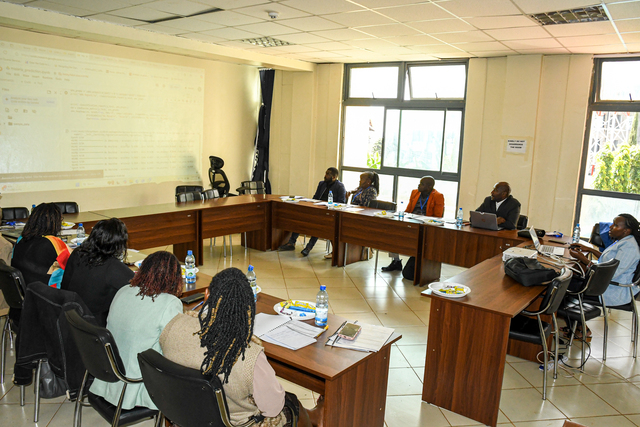
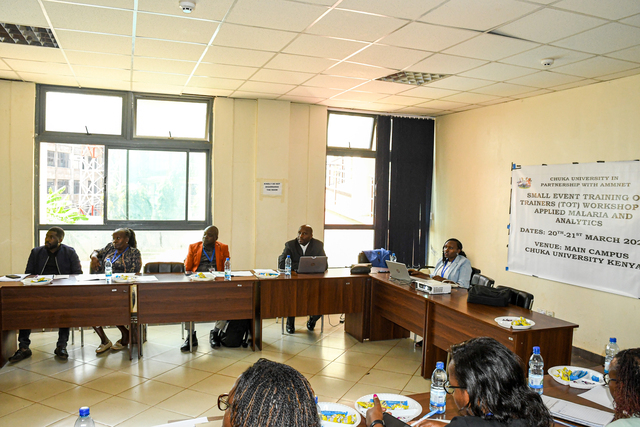
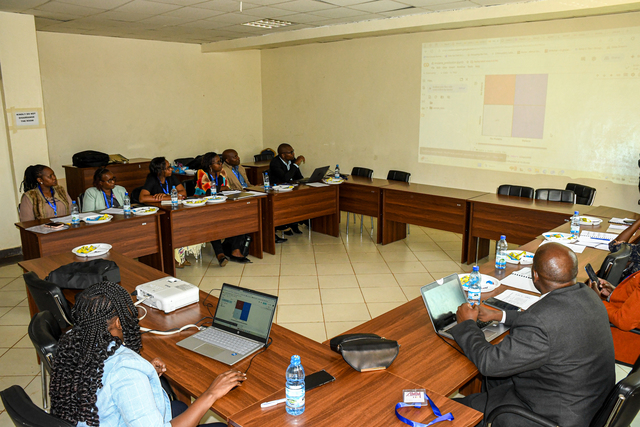
The workshop featured interactive sessions, hands-on training, and discussions on various aspects of malaria modeling. Participants were introduced to foundational concepts such as different types of malaria models and their applications. They analyzed the role of epidemiological data in malaria models, strengthening their data handling and interpretation skills.
Training sessions covered data visualization techniques using R and Python, emphasizing their relevance to public health. Case studies and discussions explored how malaria models inform policy decisions and control strategies. Additionally, practical sessions guided participants in developing basic malaria models using R/Python, while advanced discussions delved into complex modeling approaches such as agent-based models and stochastic simulations.
The workshop concluded with a group presentation of malaria control strategies, followed by facilitator feedback. Participants also filled out evaluation forms to assess the workshop’s impact. The event ended with a vote of thanks and a closing prayer, reinforcing the university’s commitment to fostering research and technical capacity in public health.